
Crank windows, absent from the American market since January, are making a comeback thanks to Slate

Crank windows are making a surprising return to the American car market with the upcoming Slate Truck, an astoundingly cheap electric vehicle. The last passenger car offering manual windows was discontinued last year. This marks the first time since September 2024, when Jeep phased them out of the base Wrangler and Gladiator, that consumers can purchase a car with unpowered windows in the US.
While crank windows were once common on affordable cars like the now-discontinued Ford Fiesta and Chevy Sonic, their reintroduction by Slate on a budget-friendly electric truck with impressive utility specs (five-foot bed, 1,433-pound payload, 1,000-pound towing, and 150-mile range, potentially under $20,000 after incentives) is notable.
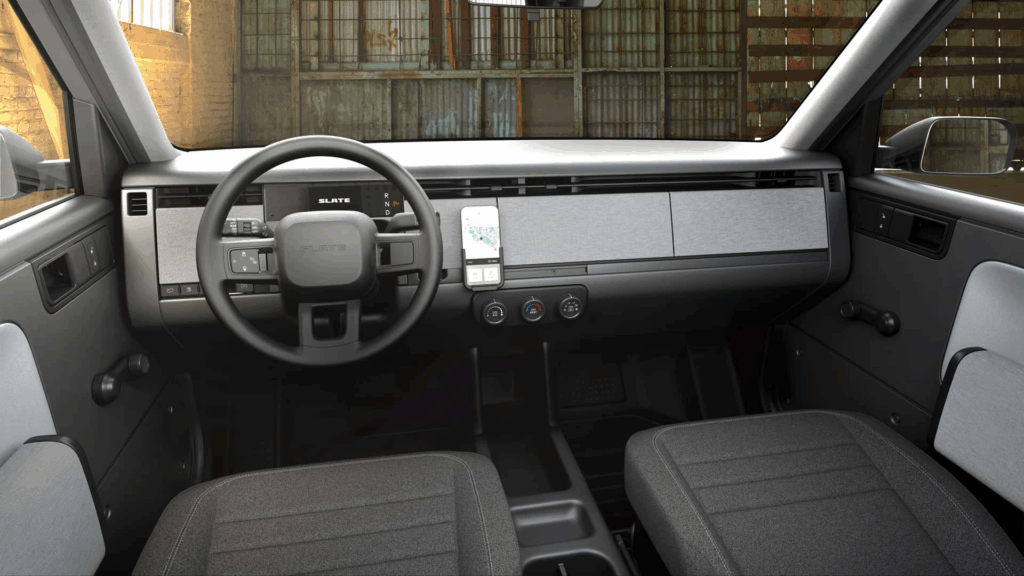
Interestingly, industry trends suggest power windows are now so cost-effective that the manual crank setup is likely more of a symbolic nod to simplicity and affordability—the very emotions Slate aims to evoke with its compelling product. The challenge now is bringing the Slate Truck to market.
Introduced on Thursday night, the Slate Truck comes in a single configuration to minimize production costs, featuring steel wheels, a single electric motor, and, most notably, manual crank windows, with no power window option even listed.
This marks the first availability of crank windows on a US passenger car since September 2024, when Jeep transitioned its base Wrangler and Gladiator to standard power door locks and windows. Crank windows were a long-standing feature on inexpensive vehicles, representing simplicity and cost-effectiveness. Even a decade ago, they were present on numerous affordable US models like the Ford Fiesta, Chevy Sonic, and Kia Rio, all now discontinued.
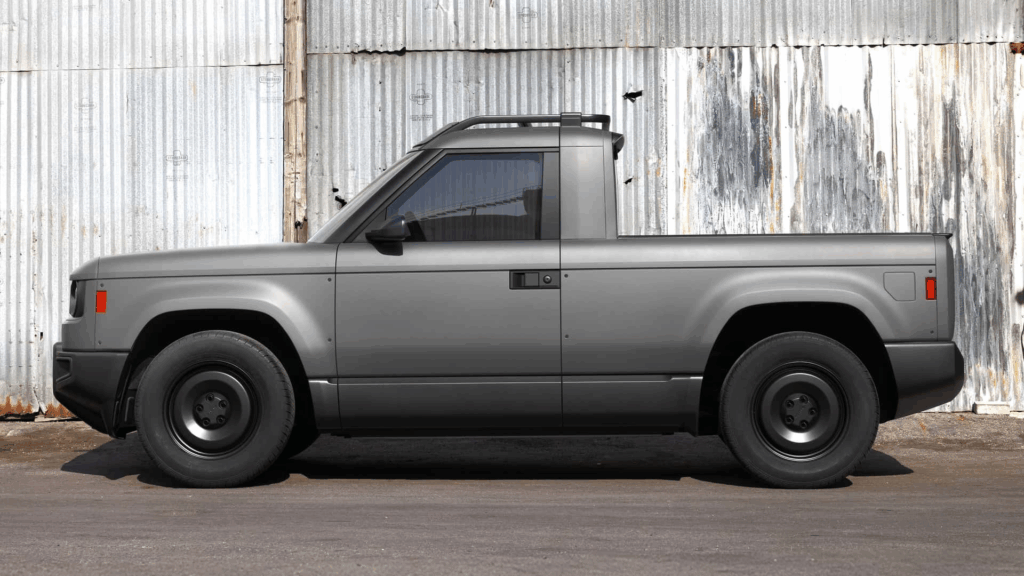
Slate’s Truck aims to fill the ultra-cheap utility vehicle niche, offering a five-foot bed, substantial payload and towing capacities, and a 150-mile range, with a promised starting price under $20,000 after federal incentives—a seemingly improbable figure given current costs.
Perhaps the most intriguing aspect is that using crank windows likely doesn’t yield significant cost or weight savings compared to power-operated motors. Years of engineering have made power windows incredibly inexpensive to produce, potentially even lighter in some cases, as rumored with the lightweight Lotus Elan.
The Slate Truck’s minimalistic, bare-bones interior, as shown in a photo by Slate, suggests the manual windows are more of a symbolic feature than a practical one. They evoke a sense of simpler, more straightforward, and more affordable times—precisely the emotions Slate hopes to connect with buyers. The product is undeniably compelling; now, Slate’s focus must be on bringing it to market.