
However, it’s providing automakers with a smoother path to compliance
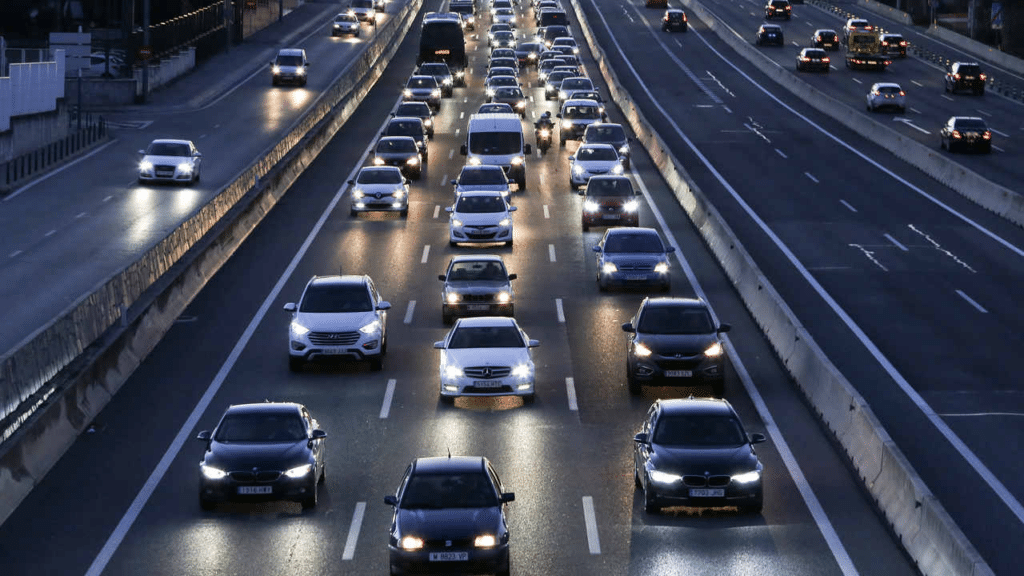
I still find it hard to believe that, in just a decade, automakers won’t be able to sell new gasoline or diesel cars in Europe. Technically, it’s not a total ban on internal combustion engines (ICE), as the regulation focuses on zero CO₂ emissions rather than outright prohibiting ICE vehicles. This theoretically leaves room for carbon-neutral fuels, but it’s unlikely that synthetic fuels or hydrogen will gain widespread adoption in such a short time.
As a result, the EU’s 2035 target will effectively phase out new ICE-powered cars across its 27 member states. This week, the European Commission (EC) reaffirmed its commitment to the plan, originally announced years ago, which mandates that all new cars must be CO₂ emission-free by 2035. Ahead of that, emissions must drop by 55% by 2030. However, the EC hinted that a review of the CO₂ standards for cars and vans is still on the table, leaving room for potential adjustments.

To help automakers transition, the EC is easing some of the intermediate targets. The stricter 2025 CO₂ reduction target, originally set at 15% lower than 2021 levels, now comes with a grace period. Instead of facing immediate penalties in 2025, automakers will have until 2027 to comply, with emissions calculated as a three-year average (2025–2027) rather than annually. This change helps companies avoid massive fines for minor yearly fluctuations—Volkswagen, for instance, previously estimated a €1.5 billion penalty for missing its 2025 target.
Beyond regulatory adjustments, the EU is also investing in the EV transition. A new €1.8 billion “Battery Booster” package will support European battery production, while a separate initiative will streamline access to raw materials and accelerate battery development.
For consumers, the EU promises more incentives and leasing programs for both new and used EVs. Automakers are also rolling out more affordable models, such as the Citroën e-C3, Volkswagen ID.1, and Renault Twingo, with Dacia working on an electric city car priced under €18,000 to replace the Spring.