
This disruption is particularly significant to future revenue due to JLR’s substantial market share in North America
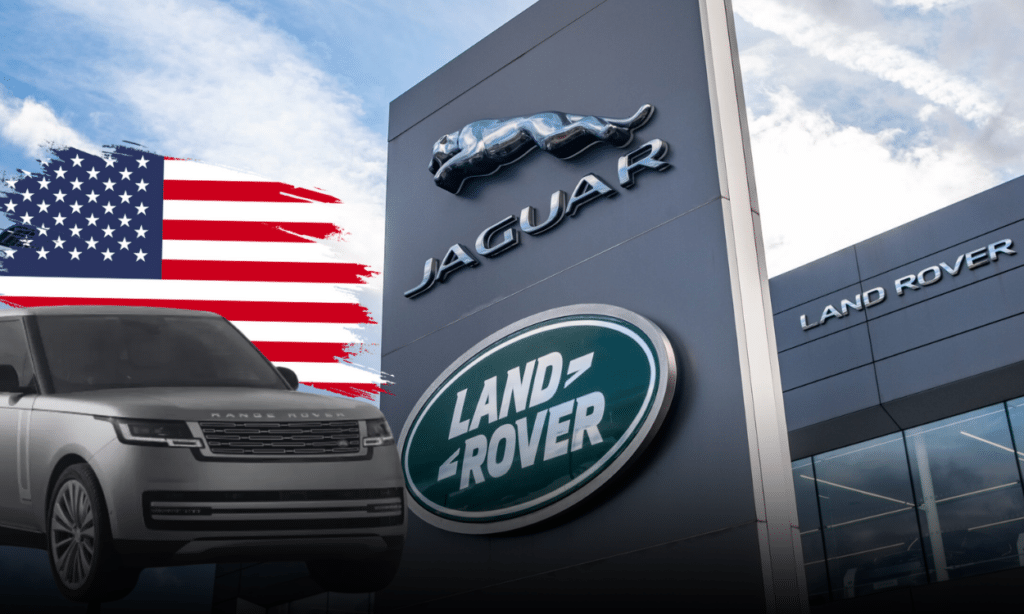
On April 2, the U.S. government imposed a sweeping 25% tariff on all imported cars and automotive parts. Though the move had been rumored for weeks, its official announcement by President Donald Trump still sent shockwaves through the auto industry. Understandably so—America is the world’s second-largest car market.
As governments around the world scramble to respond—Canada, for instance, has already issued retaliatory measures—automakers are rushing to adjust. Major players like GM and Stellantis may have the resources to absorb the blow, but smaller manufacturers such as Jaguar Land Rover (JLR) aren’t so fortunate. As a result, the Tata-owned British brand has suspended all shipments of new vehicles to the U.S. for the month of April.
JLR’s U.S. Pause Reflects Market Dependency
“The USA is an important market for JLR’s luxury brands,” a company spokesperson said in an email to Bloomberg. “We are enacting our short-term actions including a shipment pause in April, as we develop our mid- to longer-term plans.”
JLR’s latest annual report shows that nearly 25% of the 430,000 vehicles it sold between March 2023 and March 2024 were delivered to North America. The timing of this disruption couldn’t be worse, as the company posted a 17% drop in quarterly profit back in January. Putting shipments on hold while leadership recalibrates appears to be a pragmatic—if urgent—step.
Jaguar’s Reinvention Faces a New Test
The timing is also critical because Jaguar has only recently begun to reshape its image. The brand is shifting from a premium automaker competing with Mercedes and BMW to a high-luxury marque aiming at the likes of Bentley. Whether it can pull that off remains to be seen.
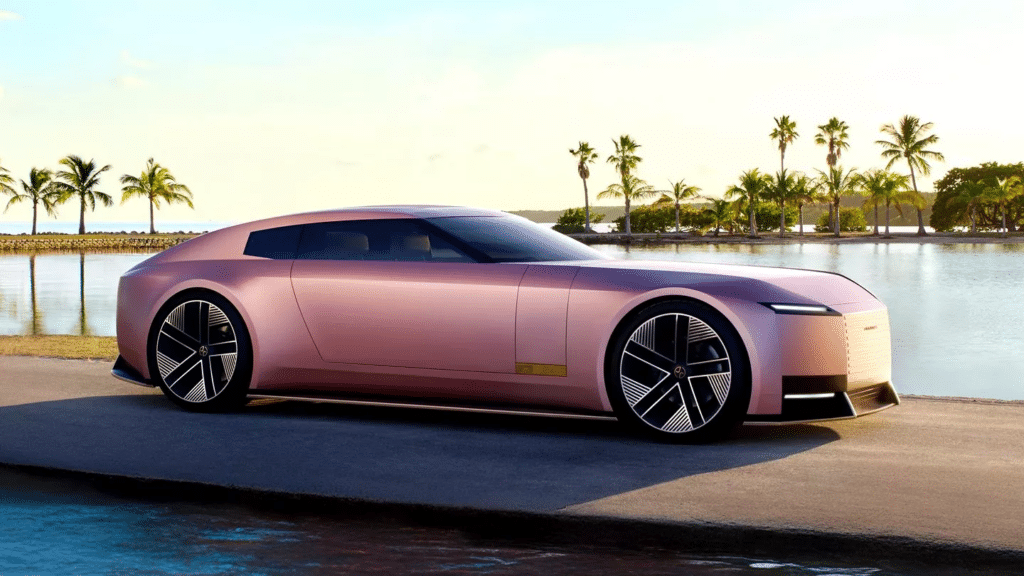
Jaguar made waves on social media and in the automotive press with its polarizing rebrand campaign and the reveal of the Type 00 concept car in Miami last December. Still, such an ambitious move into the ultra-luxury space is risky—especially when it means alienating an existing, traditionally conservative customer base in favor of attracting a much wealthier, more niche audience.
The upcoming 2026 Type 00 production model, a $130,000 electric sedan inspired by the concept, will serve as the first real test of Jaguar’s upscale pivot.

Can Jaguar’s New Identity Weather the Tariff Storm?
Despite criticism of its campaign as “woke,” Jaguar insists the goal isn’t political but rather strategic. And while the brand seems willing to lose longtime customers to pursue a new identity, it’s clear this isn’t without risk. There’s no backup plan if the shift falls flat—and with China’s luxury car market cooling off, JLR can’t afford to lose momentum in the U.S.
Land Rover May Be in Deeper Trouble
Interestingly, Jaguar may be better positioned than its sibling brand. Wealthier buyers shopping in Jaguar’s new price range are generally more resilient to price hikes—a $20,000 to $40,000 increase due to tariffs may not deter them, assuming the car delivers on its promises.
Land Rover, however, may face steeper challenges. While high-end Range Rovers can likely absorb price increases without losing appeal, models like the more utilitarian Defender target more price-sensitive buyers. That could make things far more difficult for Land Rover under the new tariff regime.