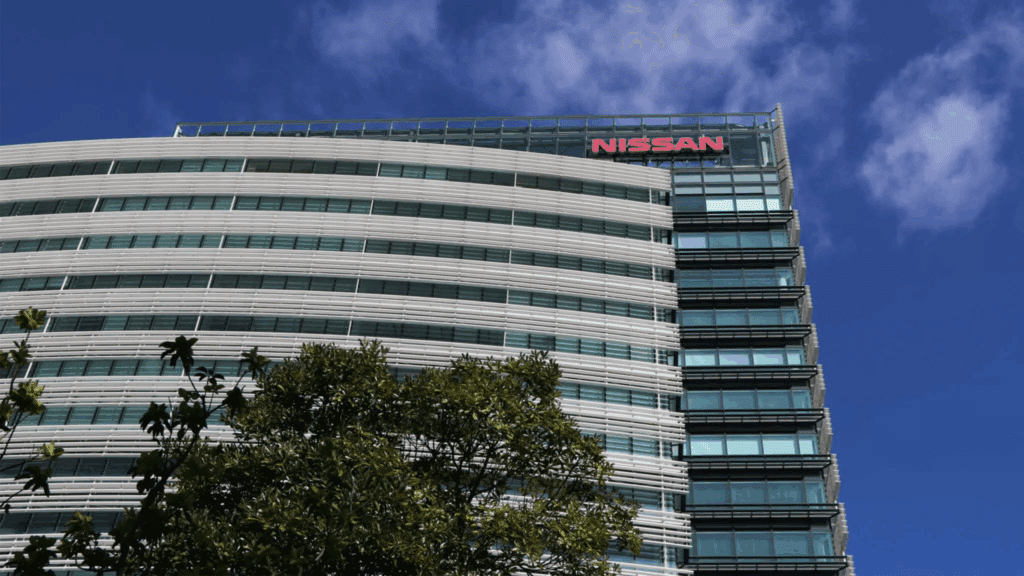
The Japanese automaker is facing serious financial trouble and plans to sell its headquarters—valued at nearly $700 million—within the next 10 months

It’s no secret that foreign automakers are feeling the pressure from the tariffs imposed by the U.S. in early April under President Donald Trump. Japanese companies aren’t exempt—and Nissan is taking one of the biggest hits.
Already battling major financial challenges, Nissan is now reportedly considering selling its Yokohama headquarters in a desperate bid to stay afloat.
According to Nikkei Asia, Nissan has listed its headquarters as one of the assets it plans to offload by March 2026. The Yokohama site—home to the company’s HQ since it relocated from Tokyo in 2009—is strategically located near bustling Yokohama Station. The property is estimated to be worth over 100 billion yen, or roughly $698 million.
Selling the building could free up enough capital to help Nissan shut down seven of its 17 global factories—an unfortunate but necessary move.
What Happens After the Sale?
So far, there’s no official word on where Nissan would move if the building is sold. The most likely scenario? A sale-leaseback deal—where Nissan sells the HQ, then leases it back to continue using it. This is a tactic McLaren used in 2021, selling its Woking facility for $237 million and signing a 20-year lease to stay put.
Given Nissan’s current cash crunch, a similar deal would buy the company time without forcing a major relocation.

The Bigger Picture: Tariffs and Uncertainty
The financial strain is being worsened by the ongoing tariff battle. Japan is actively pushing for a resolution, following similar agreements between the U.S. and the U.K., and a temporary pause on reciprocal tariffs with China. Ministers from both countries met this month to discuss potential compromises.
“We have confirmed our intention to continue to ask for tariff avoidance at the earliest possible date,” said Masanori Katayama, chairman of the Japanese Automobile Manufacturers Association. “But since this is a matter of negotiation, many things can happen going forward.”
So far, Japan has offered support services for affected businesses across the supply chain, but no one is quite sure how the financial burden will be divided.
“We have not yet had a clear discussion as to what portion will be borne by the parts manufacturers, and what portion will be borne by automakers,” Katayama added. “We are both in the same boat.”
Final Thoughts
Nissan’s situation highlights the ripple effects of international trade disputes and long-standing financial instability. If the company does sell its Yokohama HQ, it will mark a major turning point—not just for Nissan, but for the Japanese auto industry as a whole.