
Turns out some of China’s electric car “sales” may have been more paperwork than reality

Chinese car brands have seen rapid growth around the world—except in the U.S.—but a new investigation suggests some of that momentum may not be entirely real. According to a Reuters report, automakers Neta and Zeekr are accused of artificially boosting their sales figures to meet aggressive internal targets.
Documents reviewed by Reuters indicate both companies counted vehicles as sold once they were insured—even before customers had actually purchased them. This tactic allowed the automakers to register vehicles early under China’s industry reporting standards, inflating monthly and quarterly sales numbers.
Neta allegedly used this strategy with at least 64,719 vehicles between January 2023 and March 2024, accounting for over half of its reported 117,000 sales during that period. Reuters also suggests the practice may date back as far as 2022, possibly to take advantage of EV subsidies.
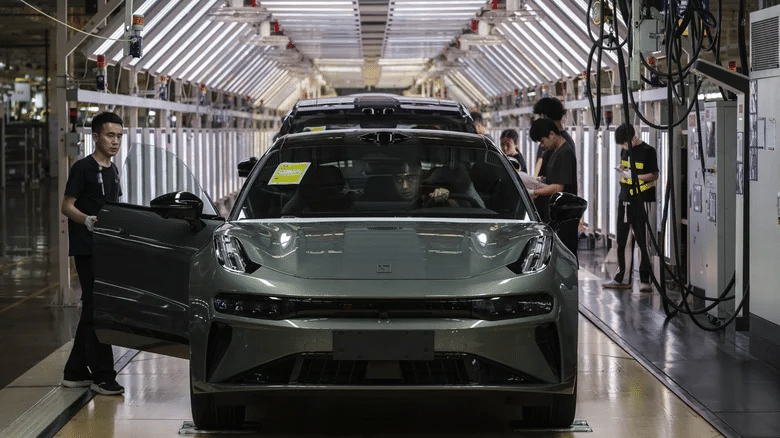
Geely-owned Zeekr employed a similar method in Xiamen, working through a state-owned dealer, Xiamen C&D Automobile, to book vehicles as sold before they reached buyers. These prematurely insured vehicles are referred to as “zero-mileage used vehicles” within the Chinese auto industry. The reason behind the tactic seems clear: fierce competition in the world’s largest car market.
To crack down on this practice, the Chinese Ministry of Industry and Information Technology (MIIT) is considering a rule that would ban reselling cars within six months of registration, according to Auto Review, a publication affiliated with the China Association of Auto Manufacturers.
How It Was Exposed
Chinese state media first raised suspicions about Zeekr inflating sales using pre-insured cars. Interviews with buyers in Guangzhou and Chongqing revealed that some vehicles were already insured before the customers took delivery—leaving some buyers feeling misled and denied refunds.
Reuters also spoke with three Neta customers who said they were unaware their vehicles had been pre-insured until the policies expired. Meanwhile, the China Securities Journal began investigating unusual sales surges in December 2024, finding Zeekr’s reported insurance-based sales in Shenzhen reached 2,737 vehicles—about 14 times the brand’s usual monthly average.
Company Responses
- Zhejiang Hozon New Energy Automobile (Neta’s parent company) and Xiamen C&D did not respond to Reuters’ requests for comment.
- A Geely spokesperson dismissed the China Securities Journal’s report but offered no comment on Reuters’ findings.
- Zeekr, in a statement on Chinese social platform Weibo, claimed the insured vehicles were for showroom display and remained legally new at the time of sale. The company also announced it had formed a special team to investigate the matter further but didn’t directly address whether these vehicles were counted as retail sales.
Bigger Picture
This story highlights a growing issue in China’s overcrowded auto industry. As domestic competition reaches unsustainable levels, some companies appear to be resorting to questionable methods just to stay afloat. With more brands than the market can realistically support, it may be time for a shakeout—or a serious restructuring of the system.