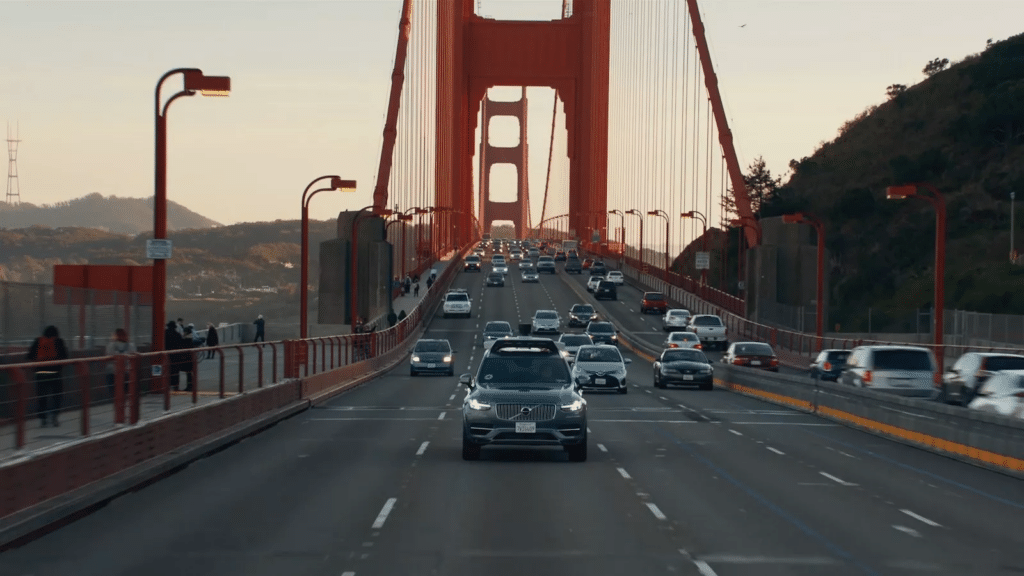
After the 2-month grace period, fines start at $50 for drivers speeding 11-15 mph over the limit
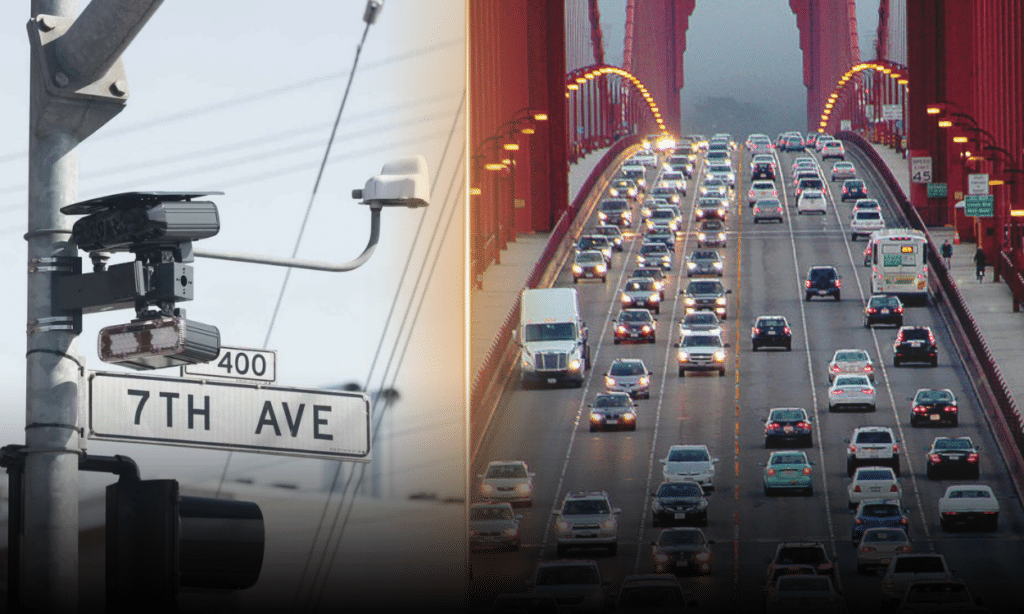
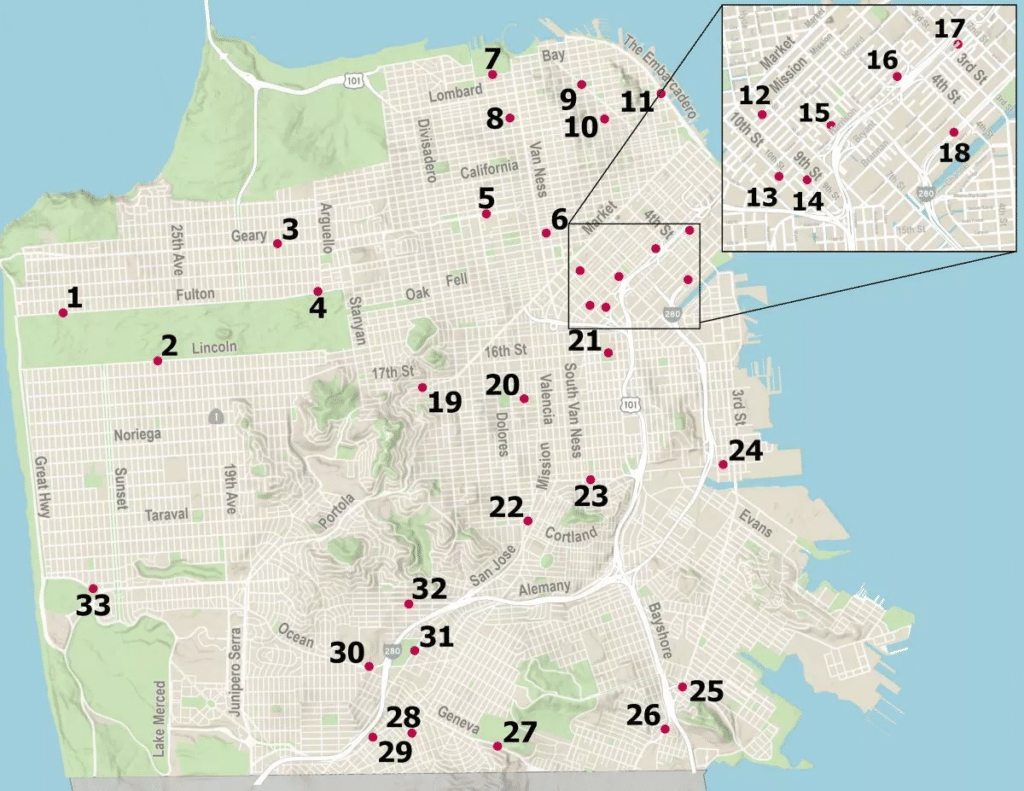
In a city famous for its steep hills, pricey coffee, and constant tech innovations, San Francisco is testing a new approach to traffic enforcement. It has become the first city in California to install fixed-speed cameras at 33 locations. While the move has sparked debate, officials hope these cameras will reduce crashes and injuries. For now, they are only placed in school zones and high-risk areas where speeding poses the greatest danger.
The cameras were activated last Thursday and will operate under a two-month grace period before fines begin. Once enforcement starts, violators will receive citations by mail. To ensure transparency, the locations of all cameras have been publicly disclosed, giving residents time to adjust.
Speeding Fines Based on Speed and Income
Drivers will only be fined if they exceed the speed limit by at least 11 mph. The fines follow a tiered structure:
- 11-15 mph over the limit – $50
- 16-25 mph over the limit – $100
- 26+ mph over the limit – $200
- 100+ mph in city limits – $500
These penalties are civil, meaning they won’t add points to a driver’s license. Additionally, low-income residents can receive a 50% discount, defined as individuals earning less than $30,120 per year. Income thresholds for larger households adjust accordingly:
| Household Size | 1 | 2 | 3 | 4 | 5 | 6 |
|---|---|---|---|---|---|---|
| Annual Income | $30,120 | $40,880 | $51,640 | $62,400 | $73,160 | $83,920 |
Potential Impact and Future Expansion
The San Francisco Municipal Transportation Agency (SFMTA) estimates the cameras could issue up to 42,000 citations per day. Speaking with ABC7 News, SFMTA transportation director Julie Kirschbaum emphasized that warning signs will be posted at every camera-equipped intersection. Other cities in California may follow suit depending on the program’s success.
Local advocacy group Walk SF, which reported 42 traffic-related deaths in the city last year, supports the initiative.
“Speed cameras change behavior, and that reduces crashes,” said Marta Lindsey, Walk SF’s communications director. “New York City has seen dramatic improvements, with very few repeat offenders. People learn quickly.”