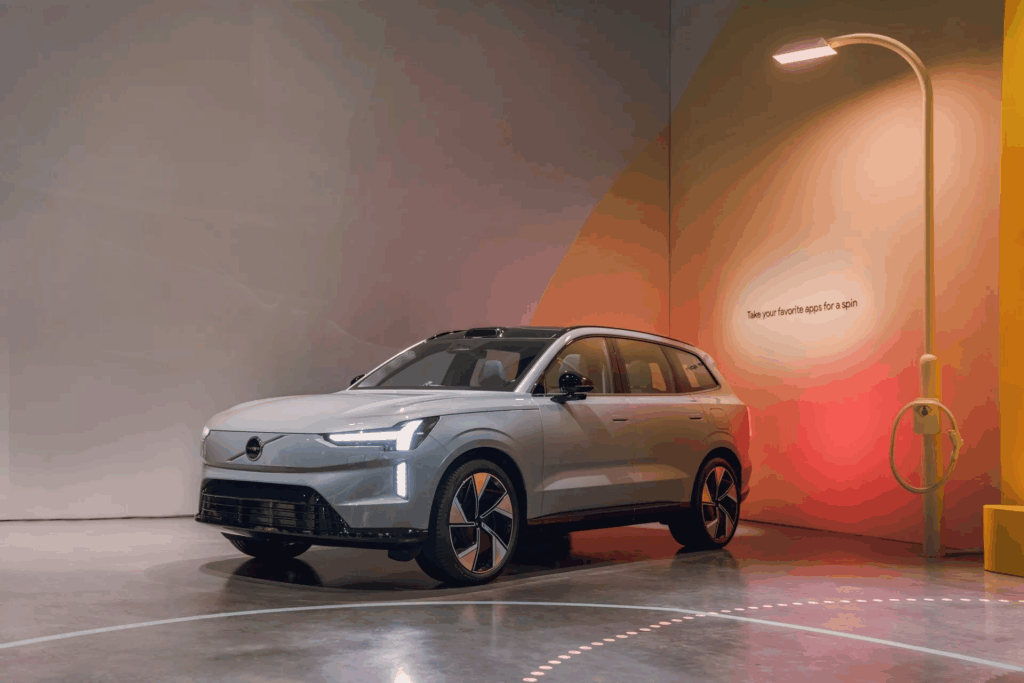
Both automakers are implementing major job cuts as they respond to market pressures and reposition for long-term competitiveness

European automakers are under mounting pressure as they confront an unpredictable future. Workforce reductions are quickly becoming a trend across the industry. Last year, Volkswagen set the tone by announcing plans to cut over 35,000 jobs in Germany by 2030.
Now, Porsche and Volvo are following suit, each unveiling significant job cuts in response to what they’ve described as ongoing “challenges.”

Porsche Launches Restructuring Amid EV Transition
Porsche has announced a major strategic overhaul, citing the unexpectedly slow transition to electric mobility. The company’s realignment plan includes changes to both product and corporate strategy, allowing for a prolonged phase of offering combustion engine and plug-in hybrid vehicles alongside its EV lineup.
The automaker also revealed it is reassessing its battery operations, with plans for a comprehensive cost-cutting and “rescaling” program. This initiative will lead to roughly 3,900 job cuts by 2029.
In a statement, Porsche CEO Dr. Oliver Blume acknowledged the tough road ahead, saying, “The world has changed. We are experiencing a fierce storm… We accept the challenge. We have a plan. We are acting. And we’re not wasting any time.”
Discussions with the company’s works council are expected to shape a broader “structural package” aimed at improving efficiency over the medium and long term.

Volvo Targets Office Roles in Global Layoffs
Meanwhile in Sweden, Volvo is moving forward with its own wave of layoffs under its “cost and cash action plan.” The company will cut around 3,000 jobs globally, primarily targeting office-based roles. This figure includes roughly 1,000 external consultants and 1,200 staff in Sweden, amounting to approximately 15% of Volvo’s global office workforce.
The cuts are scheduled to take place this fall, and the restructuring is expected to cost up to SEK 1.5 billion (about $157.6 million).
Volvo CEO Håkan Samuelsson commented on the move, saying, “These were difficult decisions, but they are essential as we work to build a stronger and more resilient Volvo Cars. The industry is going through a challenging time, and we must improve our cash flow and reduce structural costs.”