
The next-generation combustion engines are designed to work with all drivetrains.

Toyota insists the internal combustion engine (ICE) still has a strong future, even as electric vehicles (EVs) gain traction. Partnering with Subaru and Mazda, the automaker is developing a new family of smaller, lighter four-cylinder gas engines, which Chief Technology Officer Hiroki Nakajima calls a “game-changer solution.”
These upcoming 1.5– and 2.0-liter engines will be designed for maximum versatility, capable of working with hybrids, hydrogen powertrains, and even extended-range electric vehicles (EREVs) where the engine acts only as a generator. Toyota has already confirmed plans for EREVs in China, adapting models like the Highlander and Sienna to use electric motors for propulsion while a small engine recharges the battery on the move.
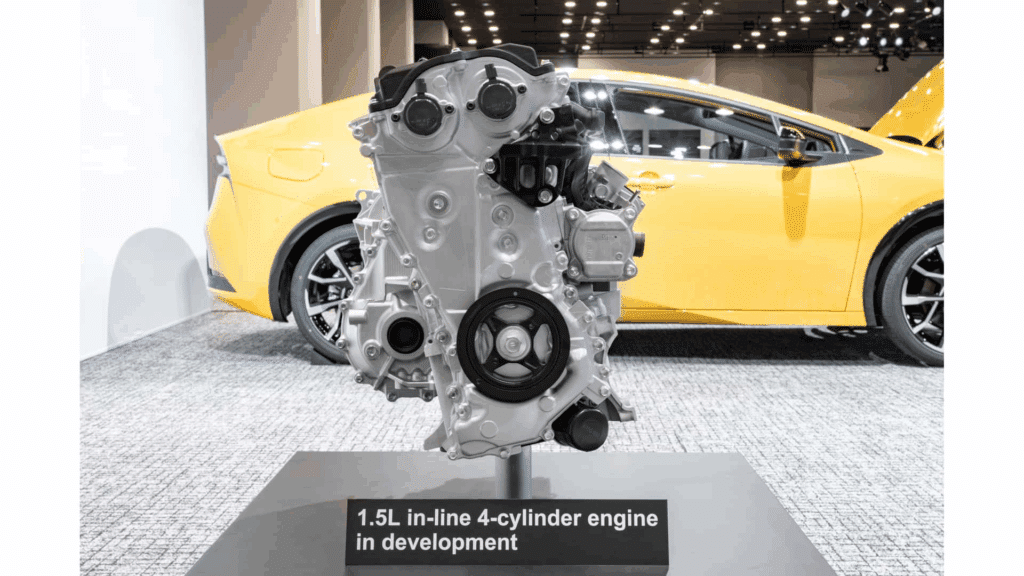
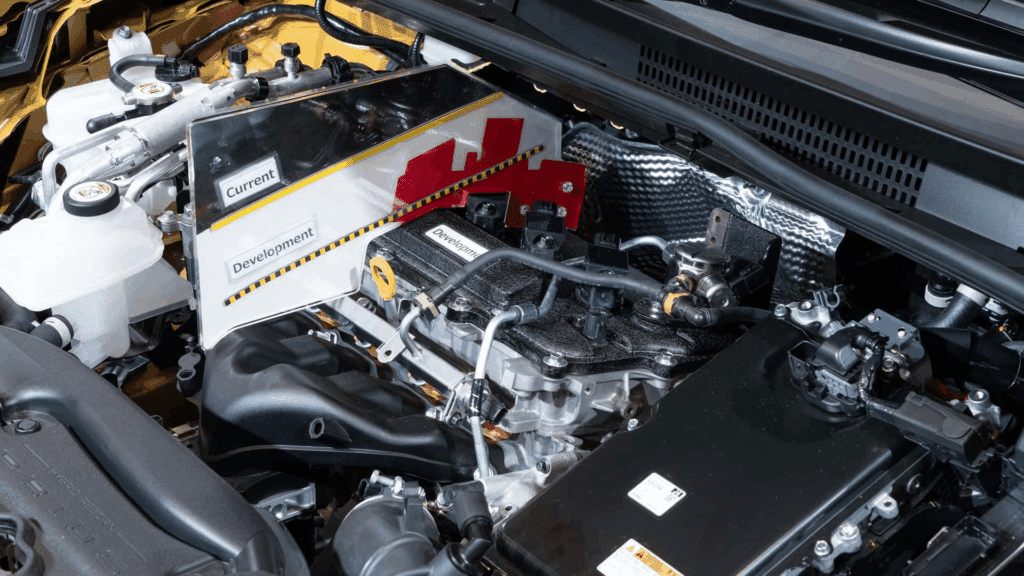
Beyond gasoline, the next-gen engines will also run on biofuels, hydrogen, and synthetic fuels. Toyota is targeting improved thermal efficiency over its 2018 benchmark of 41% and exploring long-range plug-in hybrids capable of 62 miles on electric power alone before using gas.
The lineup will include naturally aspirated and turbocharged 1.5-liter units, plus a 2.0-liter turbo with a high-performance version delivering up to 600 hp for Gazoo Racing cars. Toyota is also considering EV-native platforms that can still accommodate hybrids or ICE without losing their core strengths.
Like Chairman Akio Toyoda, Toyota’s leadership believes EVs won’t dominate the market, arguing for a mix of powertrains to meet different regional demands: “We will not push EVs in markets where there is no demand.”