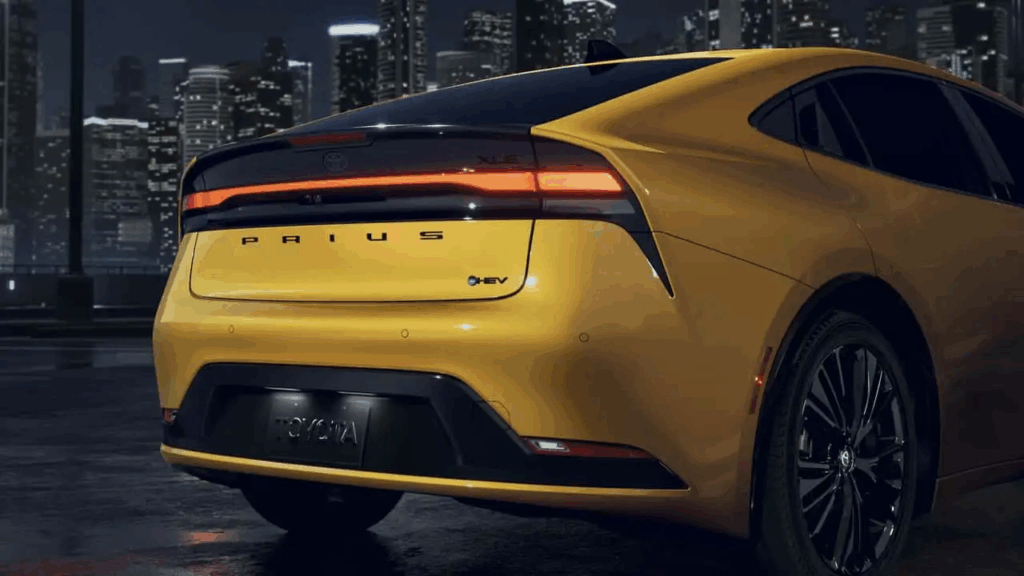
The company’s chairman argues that fully committing to electric cars is a mistake

Akio Toyoda Doesn’t Hold Back
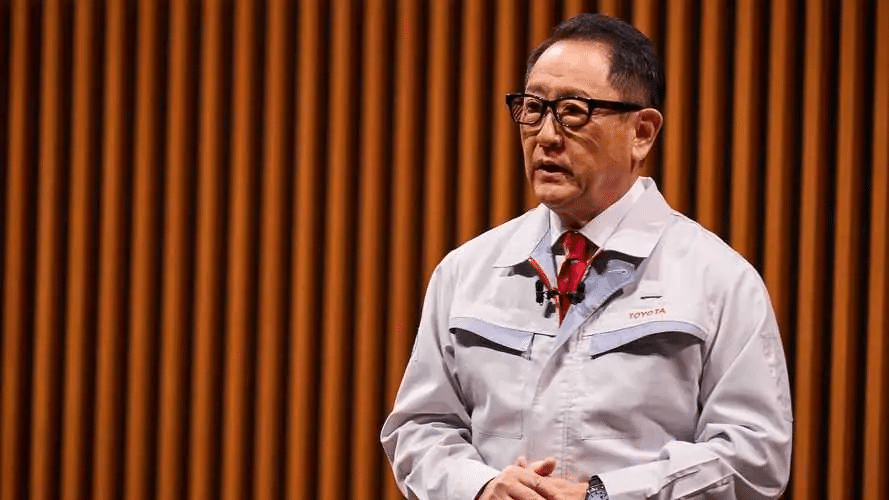
Akio Toyoda has never been shy about sharing his views. For years, he’s argued that pushing the world to adopt electric vehicles (EVs) too quickly is the wrong move. As chairman of Toyota, he remains firmly convinced that the transition to EVs must be gradual. In his view, going all-in on electric cars would cause major disruption across the auto industry—including the loss of millions of jobs throughout the supply chain if internal combustion engines are phased out too fast.
On the environmental side, Toyoda contends that EVs are still more polluting than hybrids, particularly when factoring in battery and vehicle manufacturing. He points to Toyota’s track record, claiming the company has sold around 27 million hybrids since the Prius debuted in 1997. According to him, those hybrids have matched the carbon footprint of nine million battery-electric vehicles when manufacturing emissions are included.
Put simply, Toyoda argues that one EV is as dirty as three hybrids. He also warns that building EVs in Japan would actually increase carbon emissions, not reduce them, due to the country’s reliance on fossil-fueled power plants.
The Critics Were Wrong
Toyota’s cautious stance on EVs has drawn criticism, with skeptics questioning its future in a rapidly electrifying market. Some even predicted the company’s downfall for falling behind in the EV race. But those predictions haven’t panned out. In fact, Toyota remained the world’s top-selling automaker in 2024 for the fifth straight year.
While its EV lineup lags behind competitors, Toyota’s strength in hybrids and internal combustion models has more than made up for it. The latest addition is the Aygo X Hybrid—the company’s smallest global model outside of Japan’s kei car segment. Toyota claims it has the lowest CO₂ output of any non-plug-in vehicle available.
Toyoda has long maintained that EVs won’t dominate the market and has suggested that hybrids and synthetic fuels are a better path forward. Though the hydrogen-powered Mirai hasn’t met commercial expectations, Toyota hasn’t given up on the technology. It’s now working with BMW to co-develop a hydrogen-powered production vehicle slated for release in 2028.
A Multi-Path Strategy
Toyota is leveraging its size and resources to pursue multiple technologies at once. It’s improving hybrids, building better EVs, and continuing hydrogen development. The electric bZ lineup has expanded with new models like the bZ Woodland and C-HR, and Lexus recently unveiled an electric ES sedan and updated the RZ. Bloomberg reports that two more EVs are headed to the U.S. by 2027.
Still, Toyota hasn’t lost sight of driving enjoyment. CEO Koji Sato recently stated, “A car is not a car if it’s not fun.” That spirit is evident in the brand’s future plans, which include a new Supra, a potential MR2 revival, and a return of the Celica. Lexus also teased a GT3-style street car, likely powered by a V8.
And let’s not forget the FJ Cruiser, which is reportedly making a comeback—further strengthening Toyota’s already expansive lineup.